


Thread Certification Overview#
This fundamentals guide explains Thread certification for Internet of Things (IoT) devices that use Silicon Labs EFR32 radio parts. Use this page to understand why Thread certification matters, how certification flows work, and when you can certify by inheritance with Silicon Labs Certified Identifier (CID) libraries.
Introduction to Thread Certification#
The Thread protocol provides a reliable, secure, and scalable network for home IoT applications, wearables, medical devices, and entertainment devices. Thread uses Internet Protocol version 6 (IPv6) addressing and IPv6 over Low-Power Wireless Personal Area Network (6LoWPAN) compression to reduce data overhead. Thread supports multiple network topologies, including mesh and hybrid networks.
Due to the complexity of the Thread protocol, a strict set of standards must be set in place so that all Thread devices in a system function properly.
Silicon Labs certifies the Thread stack and generates a CID that customers can use to inherit certification when eligibility requirements are met.
Why Certify?#
When a device is Thread certified, it means that testing has shown that the device complies with Thread Group standards. Certification guarantees a secure, robust, and reliable connection with other Thread devices.
The benefits of Thread certification include the following:
Required network security for certified devices
Public device listings
Permission to use the Built on Thread and Built on Thread Certified Component logos
A certification sticker signals interoperability with other Thread products. It tells users that a device can securely and reliably connect to their Thread network.
Note: Users who want to apply Matter over Thread must first obtain certification for Thread 1.3 or later versions.
Stack Architecture and Certification Paths#
Thread certification for Silicon Labs-based products typically follows one of two paths, certification through an authorized test lab and certification through inheritance.
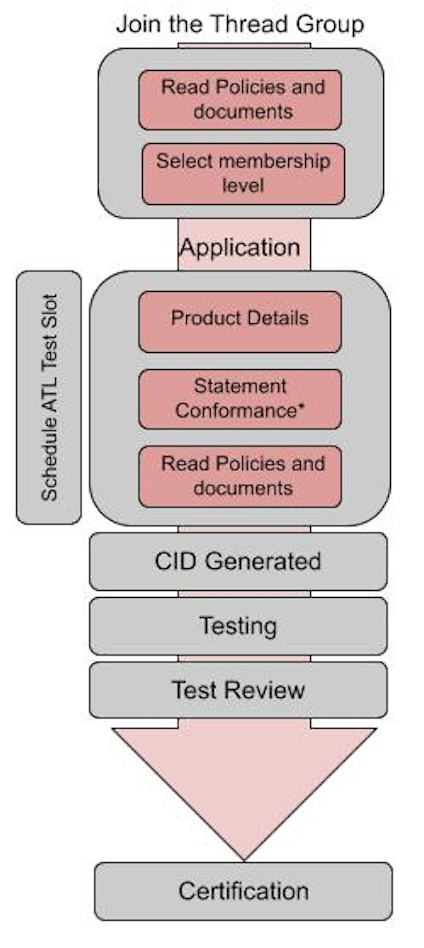
Certification Through an Authorized Test Lab
In the Authorized Test Lab (ATL) path, you acknowledge that your implementation follows Thread standards, then complete certification testing through an ATL. Use ATL testing when certification by inheritance is not available for your product architecture.
Certification by Inheritance#
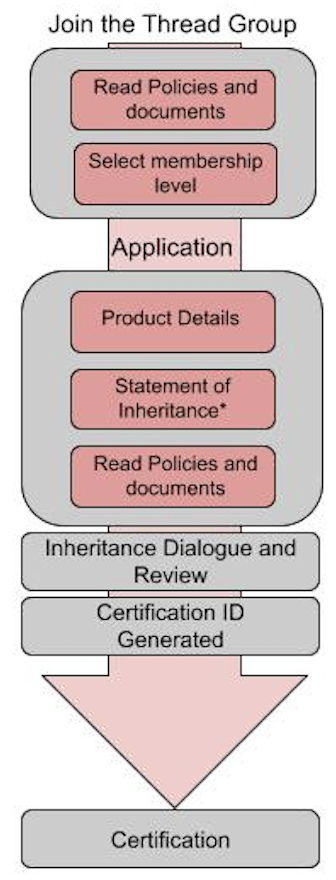
The Thread Group allows certification by inheritance for families of end products that reuse the same Thread system (chip and stack) and the same use cases. If you develop a system-on-chip (SoC) application with a Silicon Labs Thread-certified chip family and use Silicon Labs certified stack libraries, you may be eligible for certification by inheritance.
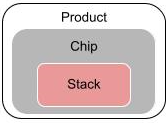
There are two inheritance models:
An end product inherits certification from a certified stack for a specific chip.
Derived products inherit certification from a parent product, typically within a product family.
Note: Silicon Labs does not provide certification by inheritance for OpenThread Border Router (OTBR) devices or host and Radio Co-Processor (RCP) setups. For these architectures, certify via ATL testing to obtain certification.
Device Roles and Certification Eligibility#
For inheritance eligibility, both the Thread stack and the chip family must be certified. The following table summarizes stack and chip requirements for inheritance.
Thread Stack | Chip Family | End Device Certification |
|---|---|---|
Certified | Not certified | Test through an ATL |
Not certified | Certified | Test through an ATL |
Certified | Certified | Certifiable by inheritance |
Customers can make small modifications, such as configuration changes, and still use certification by inheritance if they meet both of the following conditions:
They use the appropriate Silicon Labs libraries for which the chip family is certified.
They demonstrate that the modified stack in the end product does not exceed the operating parameters of the certified stack.
Development Environment Overview#
To apply for certification by inheritance, use the appropriate libraries provided by Silicon Labs. Pre-built libraries are available under the following path:
<simplicity_sdk>\protocol\openthread\libsTo link your project against these libraries, install the OpenThread Certification Libraries component in your project.

Common Certification by Inheritance Sequence#
Use the following sequence when you develop a product that may inherit Thread certification:
Purchase a Thread-certified Silicon Labs chip, such as an EFR32 device.
Develop a router or end device with the chip and the appropriate certified libraries. See Silicon Labs Product CIDs.
Apply for Thread certification by inheritance.
Receive certification from Thread Group.
Certify additional products in the same certified device family by inheritance when they qualify.
Certification by inheritance can reduce cost and time for Thread Group members who need entire product lines to comply with Thread standards. Instead of repeating every certification test, you can leverage Silicon Labs certified stacks. You can also leverage certification by inheritance for the Matter certification process when you use Matter over Thread with a Silicon Labs EFR32 Thread-certified chip.
Key Concepts and Terminology#
Term | Definition |
|---|---|
ATL | Authorized Test Lab. A lab that performs Thread certification testing. |
CID | Certified Identifier. An identifier associated with a Silicon Labs certified OpenThread library build. |
FTD | Full Thread Device. A Thread device role that typically supports routing capabilities. |
MTD | Minimal Thread Device. A Thread device role with a reduced feature set compared with an FTD. |
CoAP | Constrained Application Protocol. Some Silicon Labs certification libraries ship with or without CoAP support. |
OTBR | OpenThread Border Router. Not eligible for Silicon Labs certification by inheritance; use ATL testing. |
RCP | Radio Co-Processor. Host and RCP setups are not eligible for Silicon Labs certification by inheritance; use ATL testing. |
SoC | System-on-chip. An application architecture where the Thread stack and application run on the same Silicon Labs device. |
Silicon Labs Product CIDs#
Use the CID that matches your Thread version, device, Simplicity SDK release, OpenThread version string, and library variant (FTD or MTD, with or without CoAP).
Note: Use of any release prior to Gecko SDK (GSDK) 4.2.3 is not advised due to a security issue. These prior releases are marked * in the following tables.
Series 1 CIDs#
Thread Version | Device | SDK Version | Version String | FTD Library with CoAP | FTD Library (No CoAP) | MTD Library with CoAP | MTD Library (No CoAP) |
|---|---|---|---|---|---|---|---|
1.3 | EFR32MG12 | 4.1.2* |
|
|
|
|
|
1.3 | EFR32MG12 | 4.2.3 |
|
|
|
|
|
1.3 | EFR32MG12 | 4.3.1 |
|
|
|
|
|
Series 2 CIDs#
Thread Version | Device | SDK Version | Version String | FTD Library with CoAP | FTD Library (No CoAP) | MTD Library with CoAP | MTD Library (No CoAP) |
|---|---|---|---|---|---|---|---|
1.3 | EFR32MG24 | 4.1.2* |
|
|
|
|
|
1.3 | EFR32MG24 | 4.2.3 |
|
|
|
|
|
1.3 | EFR32MG24 | 4.3.1 |
|
|
|
|
|
1.3 | EFR32MG24 | 4.3.2 |
|
|
|
|
|
1.3 | EFR32MG24 | 4.4.0 |
|
|
|
|
|
1.3 | EFR32MG24 | 4.4.1 |
|
|
|
|
|
1.3 | EFR32MG24 | 4.4.2 |
|
|
|
|
|
1.3 | EFR32MG24 | 2024.6.0 |
|
|
|
|
|
1.3 | EFR32MG24 | 2024.6.1 |
|
|
|
|
|
1.3 | EFR32MG26 | 2024.6.1 |
|
|
|
|
|
1.3 | EFR32MG24 | 2024.6.2 |
|
|
|
|
|
1.4 | EFR32MG24 | 2024.12.0 |
|
|
|
|
|
1.4 | EFR32MG26 | 2024.12.0 |
|
|
|
|
|
1.4 | SiMG301 | 2024.12.0 |
|
|
|
|
|
1.4 | EFR32MG24 | 2024.12.1 |
|
|
|
|
|
1.4 | EFR32MG26 | 2024.12.1 |
|
|
|
|
|
1.4 | SiMG301 | 2024.12.1 |
|
|
|
|
|
1.4 | EFR32MG24 | 2024.12.2 |
|
|
|
|
|
1.4 | EFR32MG26 | 2024.12.2 |
|
|
|
|
|
1.4 | SiMG301 | 2024.12.2 |
|
|
|
|
|
1.4 | EFR32MG24 | 2025.6.0 |
|
|
|
|
|
1.4 | EFR32MG26 | 2025.6.0 |
|
|
|
|
|
1.4 | SiMG301 | 2025.6.0 |
|
|
|
|
|
1.4 | EFR32MG24 | 2025.6.1 |
|
|
|
|
|
1.4 | EFR32MG26 | 2025.6.1 |
|
|
|
|
|
1.4 | SiMG301 | 2025.6.1 |
|
|
|
|
|
1.4 | EFR32MG24 | 2025.6.2 |
|
|
|
|
|
1.4 | EFR32MG26 | 2025.6.2 |
|
|
|
|
|
1.4 | SiMG301 | 2025.6.2 |
|
|
|
|
|
1.4 | EFR32MG24 | 2025.12.0 and 2025.12.1 |
|
|
|
|
|
1.4 | EFR32MG26 | 2025.12.0 and 2025.12.1 |
|
|
|
|
|
1.4 | SiMG301 | 2025.12.0 and 2025.12.1 |
|
|
|
|
|
1.4 | EFR32MG24 | 2025.12.2 |
|
|
|
|
|
1.4 | EFR32MG26 | 2025.12.2 |
|
|
|
|
|
1.4 | SiMG301 | 2025.12.2 |
|
|
|
|
|